
They are Tuesday.
Burns. Slips. Knife cuts. Back strains. Broken glass. Wet floors. Heavy boxes. Repetitive motion. Hot pans. Fast movement in tight spaces.
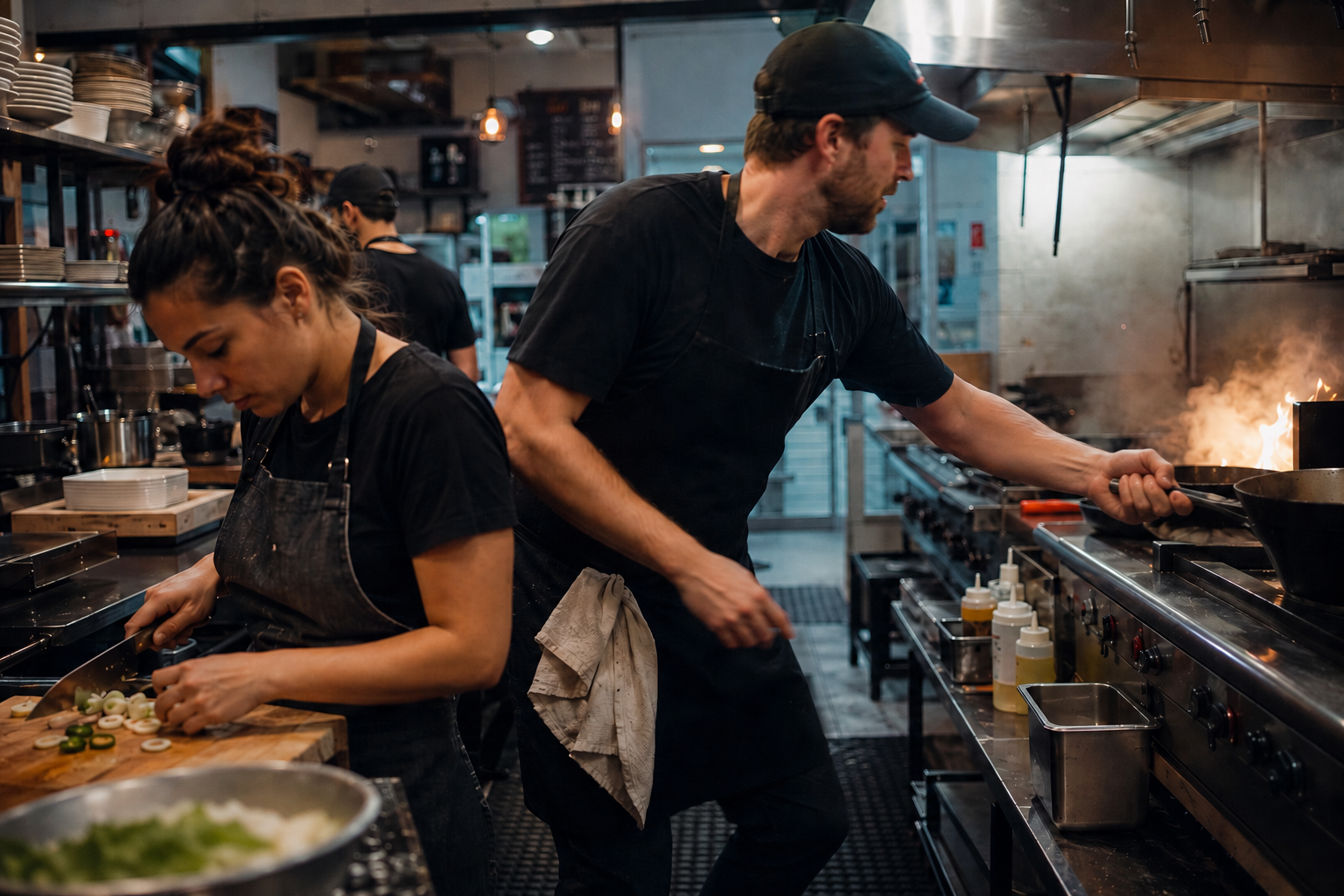
If you own or operate a restaurant in Colorado, Workers Comp deserves more than a once-a-year renewal glance.
This is one of the most important parts of your insurance program because restaurants are physical workplaces full of sharp things, hot things, slick things, and tired humans trying to get through service.
A truly magical combination. Terrible, but magical.
What Workers Comp may help with
Workers Comp may help respond when an employee is injured during work.
That can include things like:
- medical treatment
- lost wage benefits
- claim handling
- injury reporting
- return-to-work coordination
The exact details depend on the policy and claim. But the big picture is simple: when an employee gets hurt, the business needs a process.
And restaurant owners need that process before someone is standing in the office with a towel around their hand saying, “I think I need stitches.”
Common restaurant injury scenarios
Restaurant owners should think about Workers Comp in terms of actual operations.
Common restaurant injuries include:
- burns from grills, fryers, ovens, steam, and hot pans
- slips near dish, bar, bathrooms, or entryways
- knife cuts during prep
- lifting injuries from kegs, boxes, stock, or trash
- strains from repetitive movement
- injuries from broken glass
- falls during opening, closing, cleaning, or stocking
If you have worked in restaurants, none of this is shocking.
If your insurance agent acts shocked, that is information.
Payroll and class codes matter
Workers Comp is heavily tied to payroll and employee classifications.
If payroll is wrong, things can get messy at audit.
Restaurant owners should know:
- who is on payroll
- what kind of work they do
- whether owners are included or excluded
- whether payroll has changed
- whether tipped employees are handled correctly
- whether delivery, catering, or other operations change the exposure
This is not the fun part of restaurant ownership. Neither is cleaning the grease trap. Both still matter.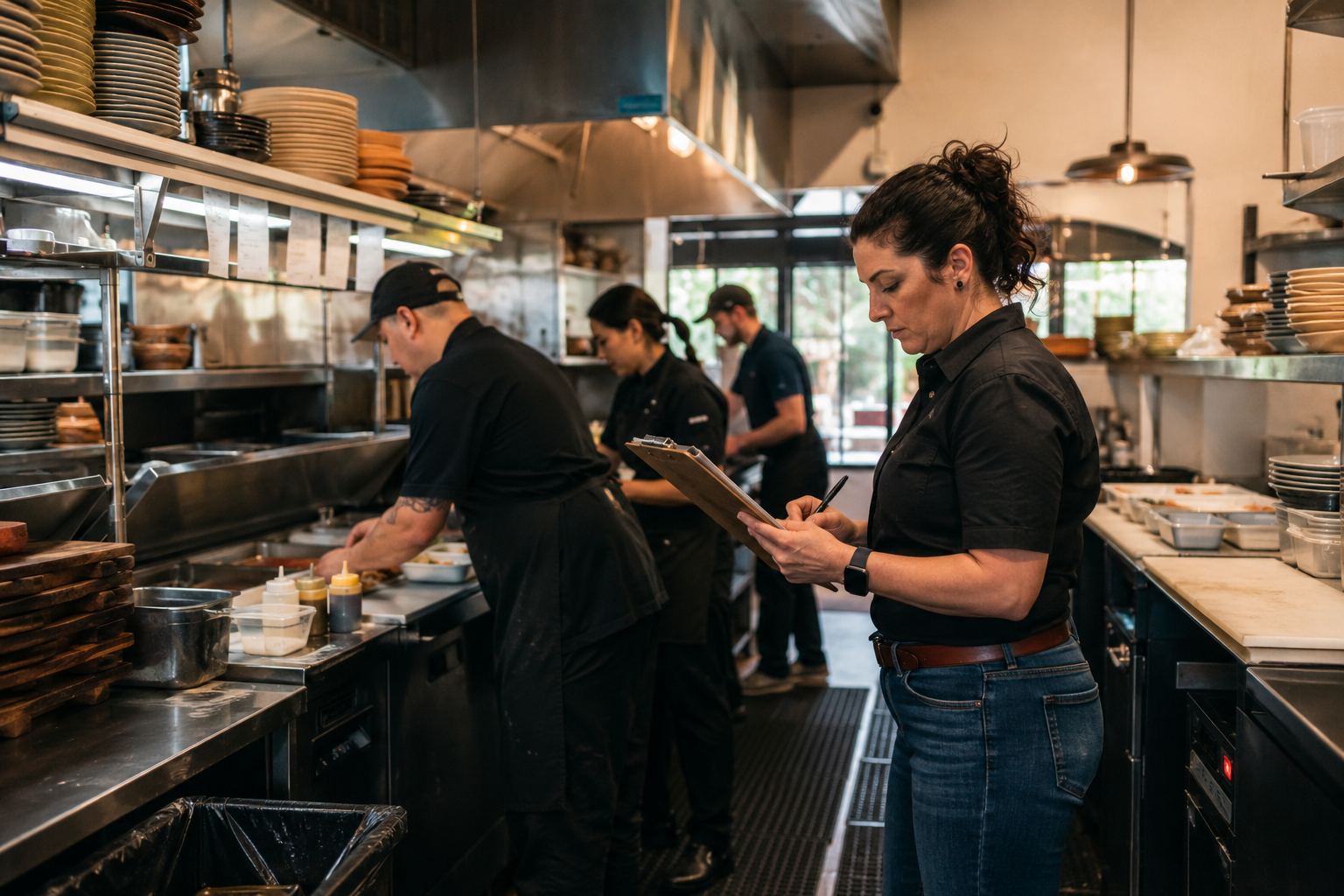
Claims process matters too
A Workers Comp policy is not just a bill. It is a system you need when someone gets hurt.
You should know:
- who to call
- how to report a claim
- what information to collect
- how to document the incident
- what to tell the employee
- how follow-up communication works
Restaurant owners move fast. But injury reporting should not be chaos taped to a clipboard.
What to review at renewal
Before your Workers Comp renewal, review:
- current payroll estimates
- employee count
- class codes
- prior claims
- open claims
- safety procedures
- return-to-work options
- audit results from prior years
A premium change may not be random. It may be tied to payroll, claims, classification, experience, or carrier appetite.
The renewal may still be annoying. But at least it should be explainable.
Want a Workers Comp gut check?
If you own a restaurant in Colorado and your Workers Comp renewal feels off, we can help you review it.
Send your declarations page, payroll estimate, and any renewal offer you have.
We will help you understand what looks solid, what deserves a second look, and what questions are worth asking.
Send your dec page to:
INeedHelp@Silver-LiningIns.com
Ask for:
Restaurant Coverage Gut Check