General Liability is usually one of the first coverages restaurant owners hear about.
It is also one of the easiest to misunderstand.
A landlord asks for proof of insurance. A vendor asks for a certificate. Someone says, “We need your GL.” Everyone nods like this is normal. Then the owner gets handed a policy full of words no one understands unless they bill hourly.
Let’s make it plain.
What General Liability may help with: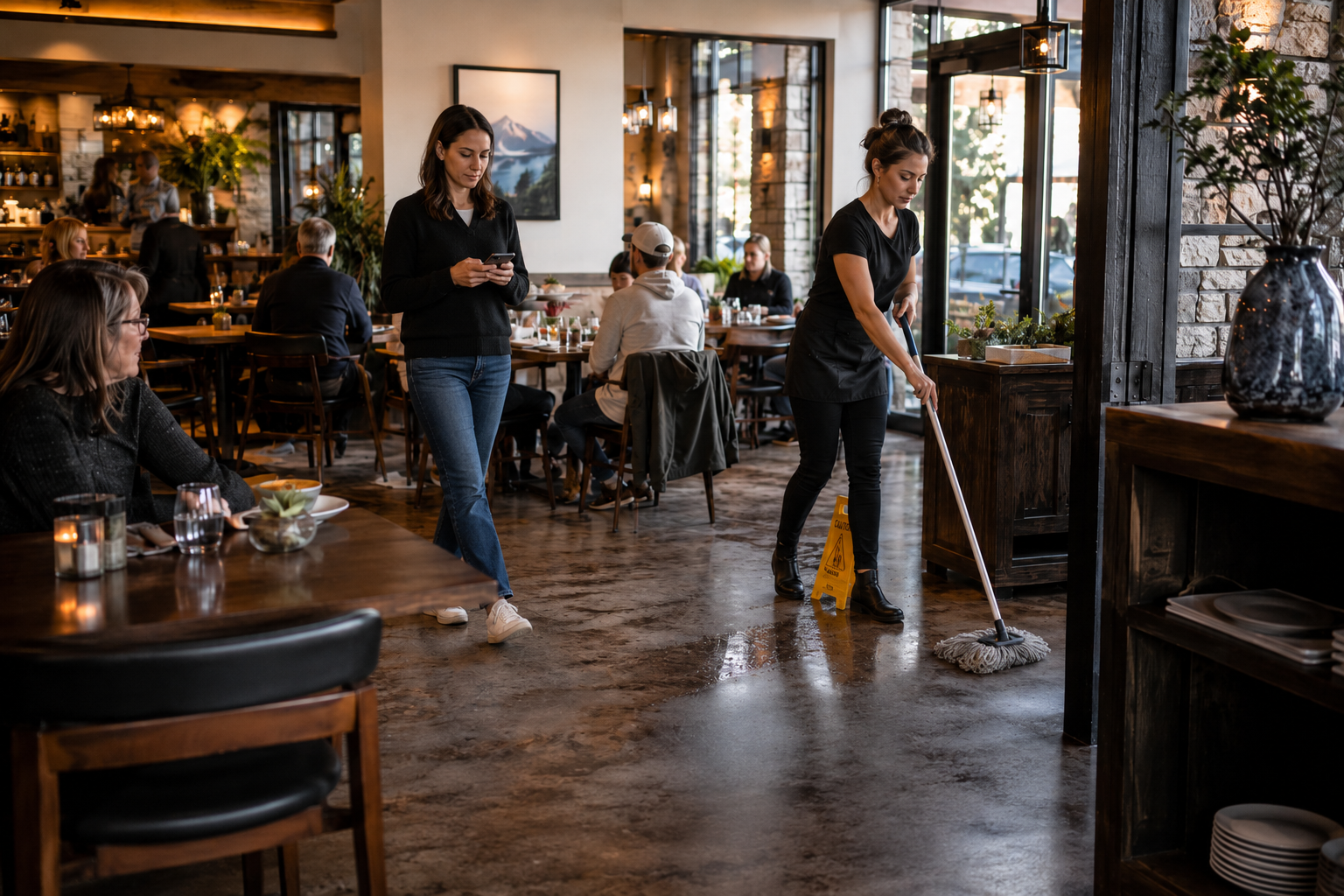
General Liability often starts with everyday restaurant moments: foot traffic, wet floors, customers, and premises risk.
General Liability can help respond when someone claims your restaurant caused bodily injury or property damage.
For restaurants, that could include:
- customer slip and fall claims
- property damage claims
- certain food-related allegations
- accidents on premises
- incidents involving guests or vendors
It is not a magic shield. It does not cover everything. But it is one of the core coverages most restaurant operations need reviewed.
Why restaurants have unique liability exposure
Restaurants are public-facing businesses.
Customers walk in and out all day. Floors get wet. Food gets served. Chairs break. Kids run. Bathrooms happen. Weather gets tracked inside. Someone spills ranch like it was a crime scene.
That means liability risk is built into the operation.
A retail store might have foot traffic. A restaurant has foot traffic, food, drinks, heat, employees rushing, and customers who may not notice the floor sign because they are emotionally committed to queso.
Certificates and additional insureds

Restaurant owners often need certificates for:
- landlords
- property managers
- vendors
- event partners
- municipalities
- lenders
- contract partners
Sometimes those certificate requests include additional insured wording.
That matters.
A certificate is proof of coverage. It does not magically change your policy by itself. If a contract requires specific additional insured language, your policy may need to match.
That is the part people miss until someone gets cranky.
Limits matter
Restaurant owners should review their liability limits.
Ask:
- What are the per-occurrence limits?
- What is the aggregate limit?
- Does the lease require higher limits?
- Is an umbrella needed?
- Are there exclusions that matter for your operation?
The goal is not to overcomplicate it. The goal is to make sure your coverage fits your real exposure.
When General Liability may not be enough
General Liability may not fully address:
- employee injuries
- liquor-related claims
- auto accidents
- employment disputes
- cyber incidents
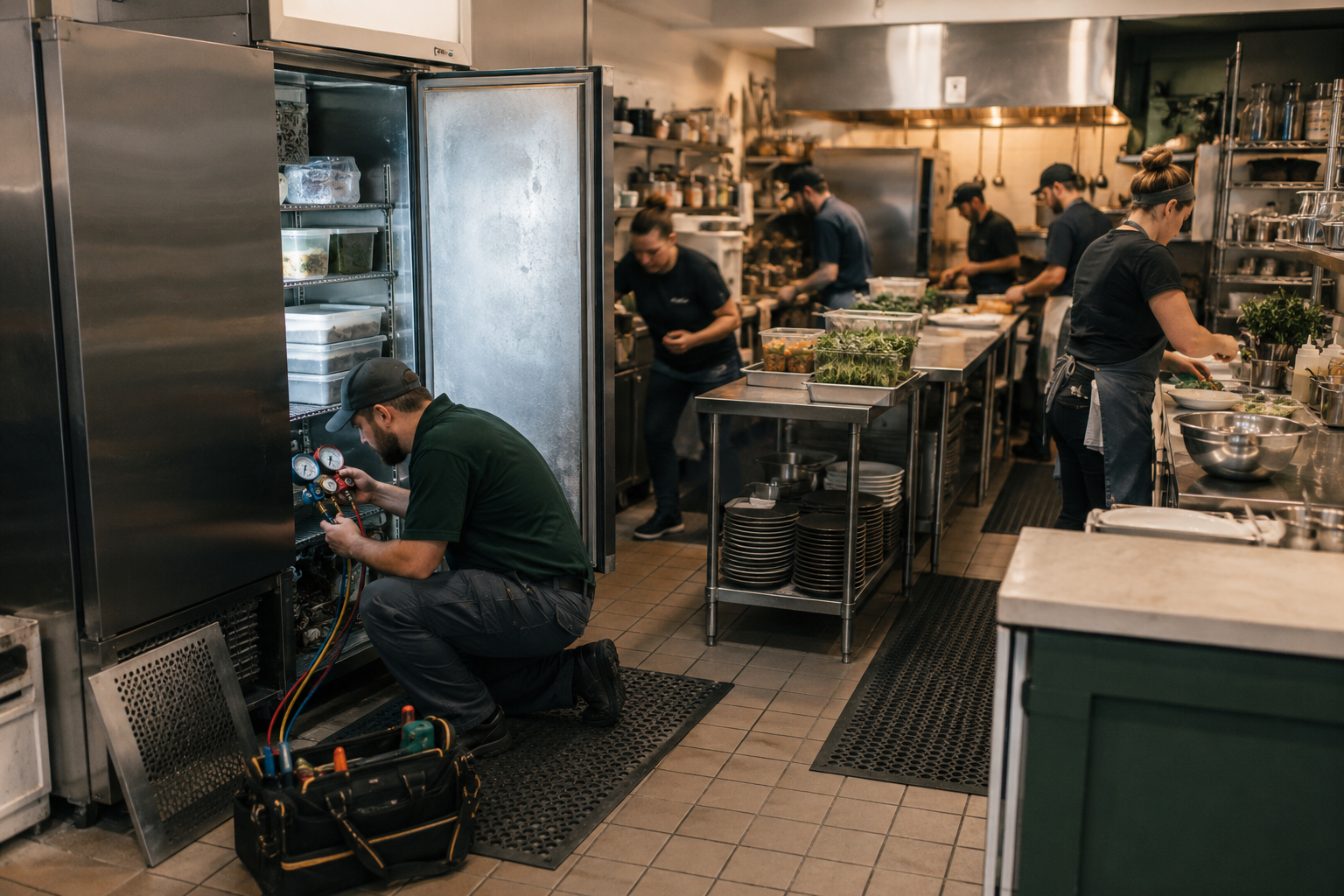
- property damage to your own equipment
- intentional acts
- certain professional or contractual issues
That is why restaurant insurance is not one policy. It is a coverage setup.
Like a kitchen station, everything has a job. When one station is missing, service gets ugly.
Want a General Liability gut check?
If your restaurant lease, vendor request, or renewal has you staring at limits and certificates like they are written in another language, send it over.
We will review your current declarations page and explain what looks solid, what deserves a second look, and what questions are worth asking.
Send your dec page to:
INeedHelp@Silver-LiningIns.com